
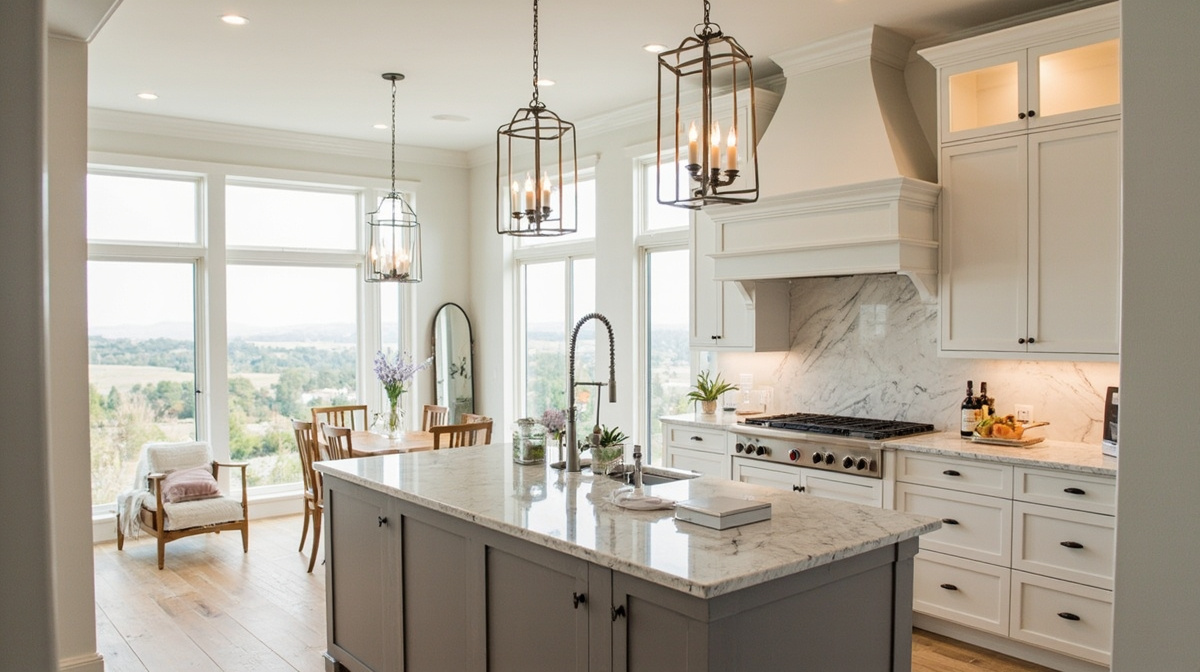
Kitchen Remodel ROI & Resale Value (2026): A Practical Guide
Quick answer
A kitchen remodel can improve daily function and buyer appeal, but there is no guaranteed payback percentage. The financial result depends on the neighborhood, existing home condition, layout, workmanship, material choices, project timing, and whether the work solves a problem buyers actually notice. Treat resale value as one input—not the only reason to renovate—and compare the project cost with the years of use you expect.
What creates value in a kitchen remodel?
The strongest projects usually make the kitchen easier to use, more durable, and more consistent with the home and neighborhood. Value can come from:
- Better storage, circulation, lighting, and work zones.
- Durable cabinets, counters, flooring, and fixtures that fit the home's price point.
- Correcting deferred maintenance, water damage, unsafe wiring, poor ventilation, or outdated plumbing.
- Improving appliance placement and clearances without creating an overbuilt space.
- A cohesive design that photographs well and is easy for a future buyer to understand.
A remodel that is beautiful but poorly planned can add cost without adding equivalent appeal. Start with the problem the project must solve.
Remodel scope and resale risk
Cosmetic refresh
Paint, hardware, lighting, backsplash, and selected surface updates can refresh a kitchen while limiting disruption. This may be a sensible choice when the layout and cabinet boxes work. Confirm that the existing conditions are sound before covering them.
Cabinet and countertop update
Replacing doors, cabinets, hardware, counters, and sinks can improve appearance and function. Normalize bids carefully: some proposals include demolition, fillers, panels, delivery, template work, and installation while others do not.
Full renovation
A full renovation may address layout, cabinets, appliances, flooring, plumbing, electrical, ventilation, and finishes. It can solve larger problems, but it also introduces more permits, trades, schedule dependencies, and contingency exposure.
Structural or luxury project
Removing walls, changing openings, relocating utilities, or specifying premium custom products can be appropriate for the property. The risk is over-improvement: spending far beyond what the surrounding market or the home's eventual buyer is likely to support.
How to estimate the financial case before hiring
Use a simple three-part comparison:
- Project cost: Build a scope-based budget that includes design, demolition, cabinets, appliances, trade work, permits, delivery, cleanup, and contingency.
- Use value: Estimate how the improved layout, storage, durability, and appearance will serve your household over the years you expect to stay.
- Market fit: Compare nearby homes, neighborhood expectations, and the condition of other kitchens that compete with yours. A local real-estate professional can provide market context, but cannot guarantee a return.
Use the kitchen renovation cost guide to organize allowances, then use the kitchen renovation planner to document selections and bid assumptions. Before signing, use the kitchen remodeling contract checklist to review clauses, allowances, and change orders.
Questions to ask contractors about resale-sensitive decisions
Ask each finalist:
- Which parts of this scope solve a functional or maintenance problem?
- Which selections are durable and broadly appealing without being generic?
- What can stay, be refaced, or be repaired instead of replaced?
- Which layout changes require permits, engineering, or additional contingency?
- What are the allowances, exclusions, lead times, and change-order rules?
- How will concealed conditions be documented and priced?
- Can you show comparable completed kitchens in this market and scope?
Give every contractor the same written brief. Compare scope completeness and assumptions—not just the lowest headline total. Browse local kitchen remodeling professionals and verify each provider's current credentials, insurance, references, and service area directly.
Design choices that support long-term appeal
A resale-aware kitchen does not have to be bland. Prioritize a clear work triangle or work zones, useful landing space beside appliances, adequate lighting, durable surfaces, accessible storage, and a finish level that fits the home. Add personality through replaceable elements such as paint, hardware, pendants, and furnishings rather than making every expensive component highly personal.
Document product names, warranties, maintenance requirements, permits, inspection records, and contractor close-out materials. Good records can help explain the work to a future buyer.
Frequently asked questions
Does a kitchen remodel always increase home value?
No. Value depends on the property, market, scope, workmanship, and buyer expectations. A remodel can improve appeal and function without returning every dollar spent.
Is a minor remodel safer than a full renovation?
A smaller scope usually limits cost and disruption, but it is not automatically safer. If the layout, utilities, or underlying conditions are the real problem, a cosmetic update may defer necessary work.
Should I remodel for myself or for resale?
Use both perspectives. Choose improvements you will enjoy and that are sensible for the property. Avoid making a project dependent on a promised resale percentage.
How many bids should I compare?
Request at least three comparable written bids when practical. Give each provider the same measurements, appliance assumptions, finish allowances, permit responsibilities, schedule expectations, and change-order rules.
Where can I find local kitchen remodelers?
Start with the kitchen remodeling directory, filter by city, and verify each provider directly before signing.
Next step
Write a scope that separates must-have repairs from optional upgrades, build a complete allowance budget, and compare normalized bids. Use the 2026 city guide hub for local permit and contractor resources before work begins.